the “Ain Dubai” capsules are installed
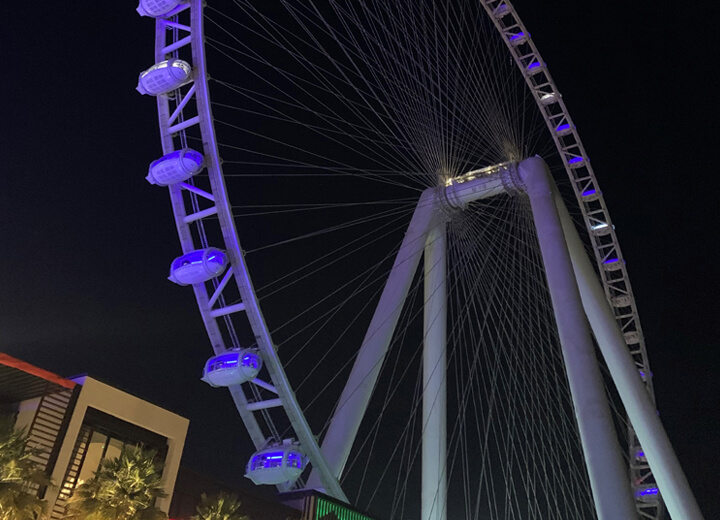
Barely 2 years after the launch of the project, POMA has finalized the installation of 48 non-standard capsules on Bluewaters Island, in Dubai (United Arab Emirates).
the POMA Group’s DNA
At the beginning of 2019, Hyundai Engineering & Construction awarded leading ropeway transportation company, POMA, the EPCI contract* to provide the 48 capsules for the world's newest and biggest observation wheel “Ain Dubai”.
POMA has been designing and building largescale projects in the Entertainment sector for many years. A project of this scale calls for the highest levels of technological expertise, combined with unparalleled know-how.
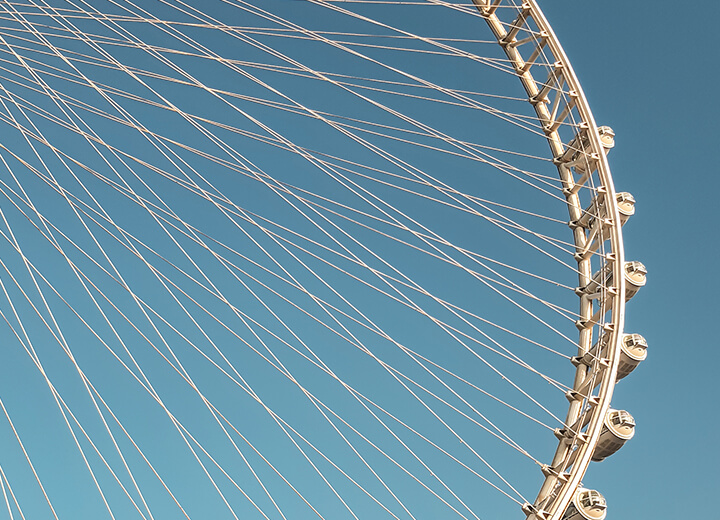
Forty-eight outsized and completely original capsules, each able to accommodate up to 40 people, were designed, built and installed in a record time of less than 24 months.
A world record!
Capsules 250 meters high
Located 500 metres from the coasts of JBR beach and Dubai Marina, the observation wheel “Ain Dubai” (“the Dubai eye”) will offer its guests a panoramic view of the city and the bay, while setting the new height world record of 250m (twice the size of the London Eye).
the preferred partner
Innovating and designing exactly the right engineering solutions while guaranteeing safety, efficiency and cost-effectiveness, is part of POMA's DNA.
The Group has, in particular, fine-tuned its engineering expertise and its unique technical prowess in the sector through involvement in the delivery of numerous special projects:
- Big observation wheels in London with the London Eye and in Las Vegas with the High Roller
- Other complex projects, in particular the incredible British Airways i360 observation tower in Brighton…
- Regular provision of capsules for smaller observation wheels: Baku, Chicago, Hong Kong…
for fast track projects
As well as mastering the technology to successfully complete complex projects, POMA benefits from an agile organization enabling close joint-construction with the customer or managing the Group's multicultural and multi-expert teams and its subcontractors, who, for the “Ain Dubai” project, were coordinated from France but based in seven countries on four different continents.
The design and manufacture of the 48 capsules for “Ain Dubai” was a fast track project, carried out in under two years. This project clearly demonstrates the French Group's ability to export its services, tackle innovative projects and handle tight deadlines.
Confronted by the uncertainty of the health crisis, POMA's teams had to adapt almost continuously to deliver the 48 capsules and limit the impact on the construction site to a minimum.
Download the Press Release
+ news
POMA STRENGTHENS ITS INDUSTRIAL ORGANIZATION
The merger of POMA with its long-standing subsidiaries POMA Savoie and POMA Mont-Blanc, effective February 1, 2026, marks a turning point in the group’s industrial strategy. POMA, the global leader in cable transport, is gradually reintegrating its production activities within a unified legal structure to improve operational consistency, organizational clarity, and the attractiveness of industrial professions.
Learn moreChenus Courchevel: the first LIFE gondola lift opens a new era
The Chenus gondola lift is now officially open, marking a turning point for ropeway transport. Quieter, more wind-resistant and equipped with spacious 10-passenger EVO cabins, it guarantees optimal comfort for skiers in winter and visitors in summer.
Learn moreTéléphérique Angelo
Le téléphérique Angelo, inauguré à Ajaccio en Corse le 18 octobre 2025, renforce l’offre de transport urbain de la ville. Il relie plusieurs quartiers en 12 minutes de manière écologique et en assurant l’intermodalité avec les autres modes de transports. Conçu et exploité par POMA, il améliore la mobilité, réduit la congestion et symbolise un lien durable entre les habitants et les territoires.
Learn moreSantiago de los Caballeros inaugurates its firts aerial tramway
A second urban cable car line has been inaugurated in Santo Domingo. The 4-kilometre cable car line connects the city centre and the western outskirts of the capital with the city’s transport network. For the first time in the world, a cable car line is operating at a speed of 7m/s in an urban environment !
Learn moreIn Santo Domingo capital, inauguration of the POMA’s 2nd urban cable car line
A second urban cable car line has been inaugurated in Santo Domingo. The 4-kilometre cable car line connects the city centre and the western outskirts of the capital with the city’s transport network. For the first time in the world, a cable car line is operating at a speed of 7m/s in an urban environment !
Learn more
POMA will implement the first urban ropeways in Ulaanbaatar
POMA is in charge of a cable transport project for the city of Ulaanbaatar, capital of Mongolia. The project is financed by the Directorate General of the Treasury with the aim of developing urban mobility.
substantial urban obstacles
Mongolia's political and economic capital Ulaanbaatar has experienced rapid population growth due to an influx of nomadic people arriving from the steppe since the early 1990s.
This has resulted in Ulaanbaatar having nearly 1.5 million inhabitants, accounting for nearly half of the country's population, compared with 580,000 in 1990. The transition to a market economy since the 1990s and a succession of harsh winters precipitated the exodus of these low-income households to the edges of Ulaanbaatar.
These suburbs have become commonly known as “Ger districts” due to the multitude of traditional yurts to be found there, known as gers in Mongolia.
the ideal transport solution
In a city featuring major obstacles (notably, the Tuul-Gol river and the Trans-Mongolian Railway), and with a relatively undeveloped transport network, this urban cable car system emerges as the most appropriate solution. With its silent, all-electric and low energy operation, ropeway transport is today an acknowledged and sustainable urban transport mode, capable of addressing specific problems of cities and with the added benefit of being quicker to implement than other forms of transport infrastructure.
The French Directorate General of the Treasury (DG Trésor), which supports French firms in the delivery of structurally transformational, eco-friendly and sustainable projects, therefore decided to finance this urban mobility project developed by the company POMA with the support of EGIS, for the benefit of Ulaanbaatar city council.
The line, located to the west of the city, is 4.2 km long. It has two stations and 98 cabins.
It connects a historic, densely populated neighbourhood with a bus station and busy shopping centres to a rapidly developing area where the new town hall is located, along the main road leading to the airport.
This project addresses a crucial issue: despite their importance, these two areas are currently very poorly served. There is no structured public transport system, apart from a few bus routes, and traffic is heavily congested, with no direct road link between these neighbourhoods. The line is therefore part of a strategy to open up the area and improve mobility, in line with ongoing development programmes, in particular the redevelopment and densification plan financed by the Asian Development Bank (ADB).
project
Entirely managed by POMA, which is responsible for the design and construction of public and technical buildings with the support of local contractors, this turnkey project demonstrates our comprehensive expertise and our ability to carry out complex projects in demanding environments. As the infrastructure takes shape, local pride grows: a new form of mobility is emerging in Mongolia.
Cable transport in Ulaanbaator
They talk about it
Our unique know-how will be harnessed to deliver this transformational project for the city of Ulaanbaatar. Our cable transport solution is a perfect fit with the principle of reducing environmental impact and substantially enhancing urban mobility in Ulaanbaatar and its outskirts, in particular the connection of the new district of Bayankhoshuu with the city centre. This is a project that makes sense for the development of this capital city and its suburbs, in the same way as has previously been achieved in Latin America and with our projects in France, in Toulouse and Ajaccio. For this first ropeway line in the country, POMA and partners joined forces to deliver a turnkey project, made in France.
President of POMA
+ infos
POMA STRENGTHENS ITS INDUSTRIAL ORGANIZATION
The merger of POMA with its long-standing subsidiaries POMA Savoie and POMA Mont-Blanc, effective February 1, 2026, marks a turning point in the group’s industrial strategy. POMA, the global leader in cable transport, is gradually reintegrating its production activities within a unified legal structure to improve operational consistency, organizational clarity, and the attractiveness of industrial professions.
Learn moreTéléphérique Angelo
Le téléphérique Angelo, inauguré à Ajaccio en Corse le 18 octobre 2025, renforce l’offre de transport urbain de la ville. Il relie plusieurs quartiers en 12 minutes de manière écologique et en assurant l’intermodalité avec les autres modes de transports. Conçu et exploité par POMA, il améliore la mobilité, réduit la congestion et symbolise un lien durable entre les habitants et les territoires.
Learn moreEUROPEAN MOBILITY EXPO
Le Salon Européen de la mobilité, le EuMo Expo 2022 se tiendra du 7 au 9 juin à Paris-Expo Porte de Versailles, Paris. Tous les deux ans, le EuMo Expo, rassemble plus de 250 exposants français et internationaux, tous acteurs du transport public et de la mobilité durable.
Learn more12ème COLLOQUE NATIONAL EOLIEN
The National Wind Energy Conference will be held for the 12th time this year. From 12 to 13 October at Parc Floral de Paris, various wind energy experts, scientists, associations and companies come together to talk about new and already realized projects in the sense of the energy transition in France.,
Learn more
the “Ain Dubai” capsules are installed
Barely 2 years after the launch of the project, POMA has finalized the installation of 48 non-standard capsules on Bluewaters Island, in Dubai (United Arab Emirates).
the POMA Group’s DNA
At the beginning of 2019, Hyundai Engineering & Construction awarded leading ropeway transportation company, POMA, the EPCI contract* to provide the 48 capsules for the world's newest and biggest observation wheel “Ain Dubai”.
POMA has been designing and building largescale projects in the Entertainment sector for many years. A project of this scale calls for the highest levels of technological expertise, combined with unparalleled know-how.
Forty-eight outsized and completely original capsules, each able to accommodate up to 40 people, were designed, built and installed in a record time of less than 24 months.
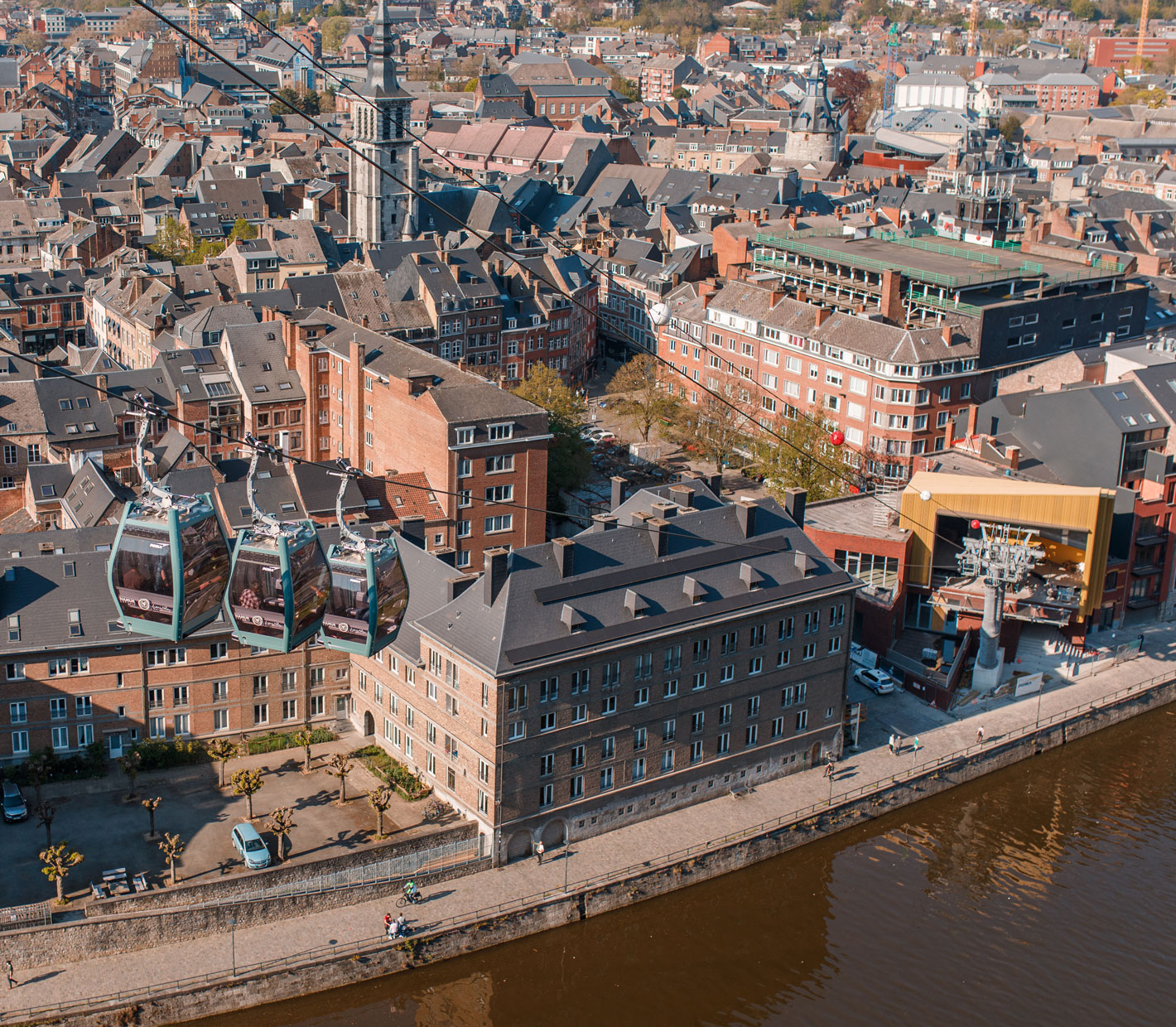
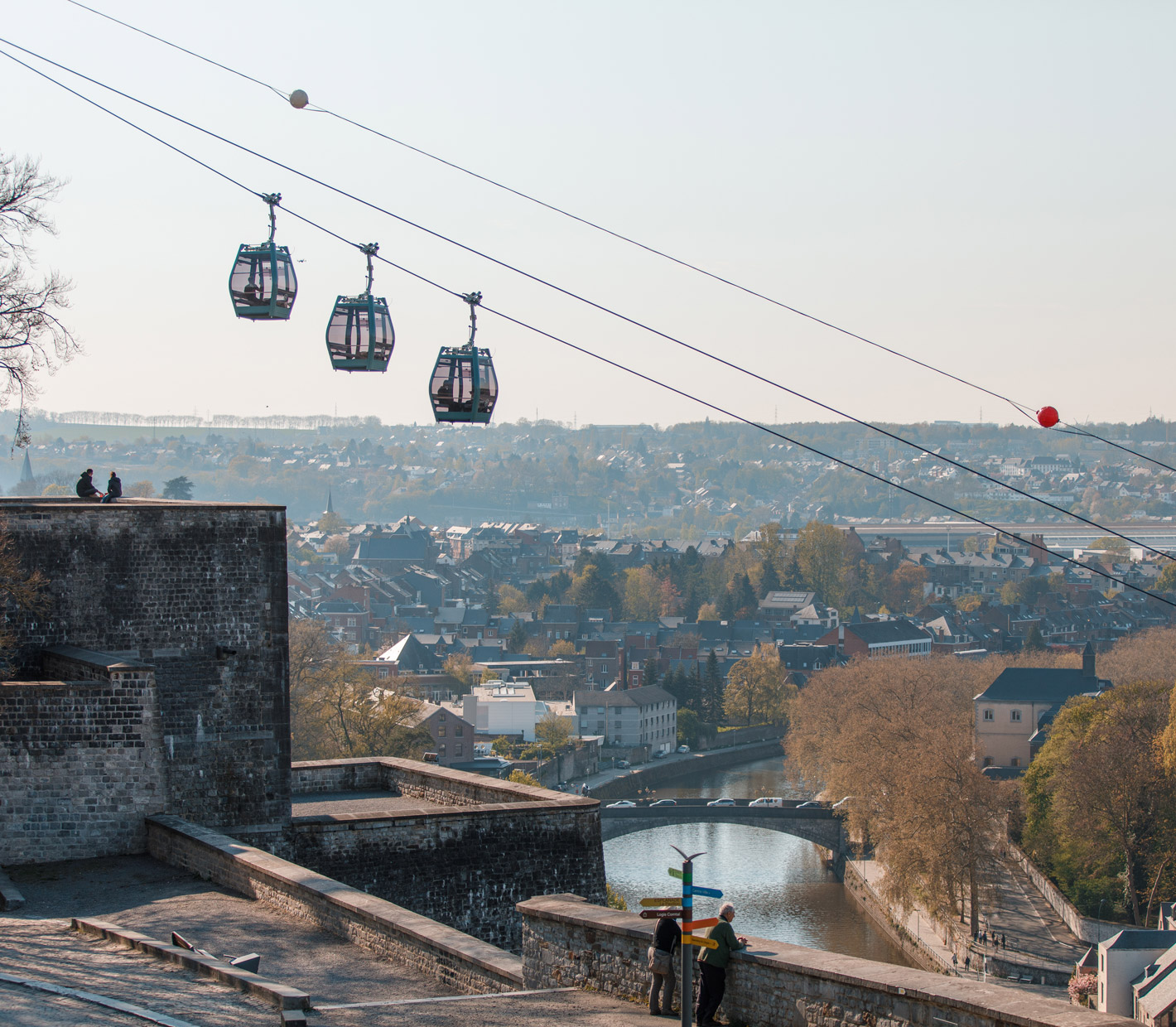
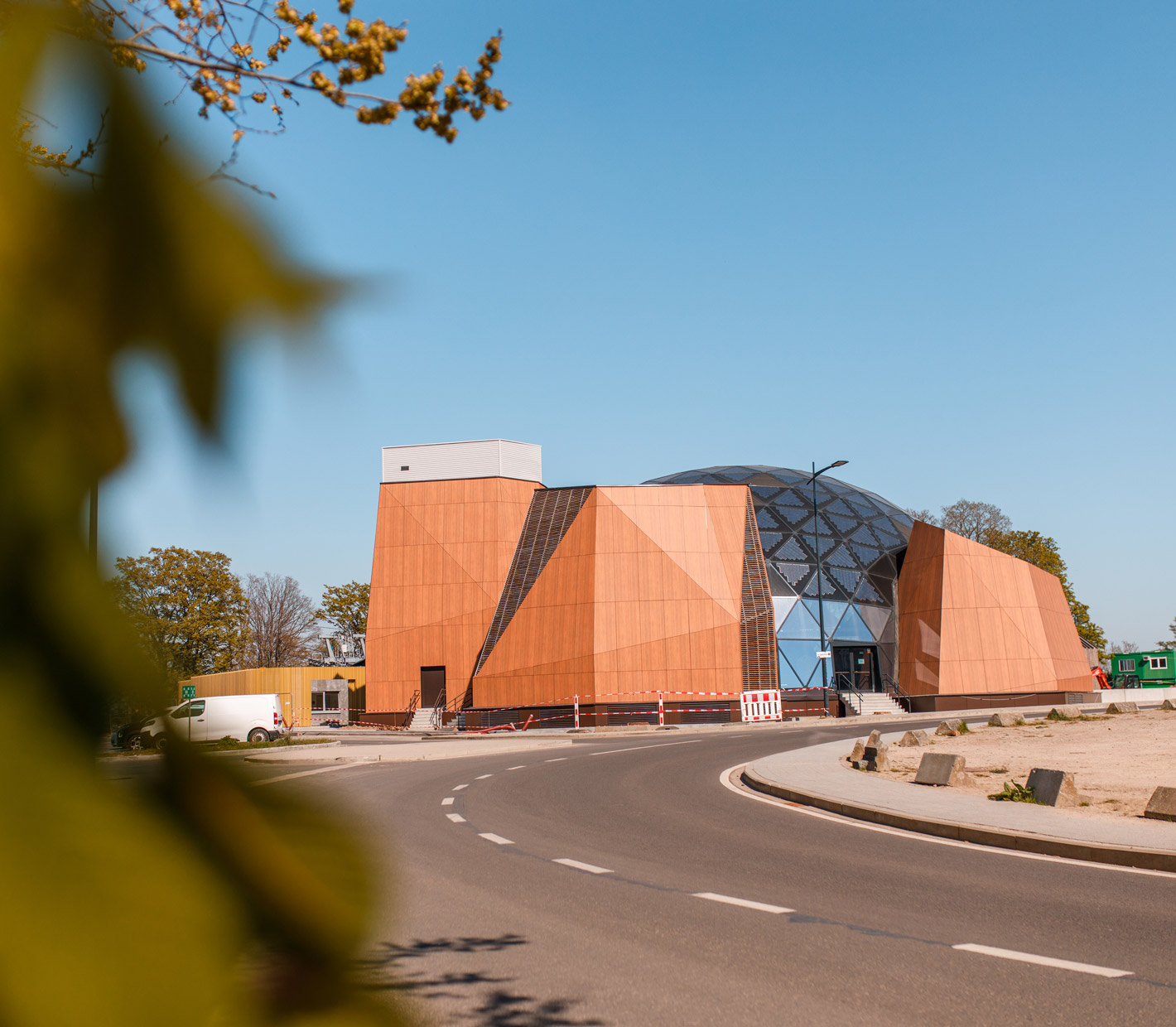
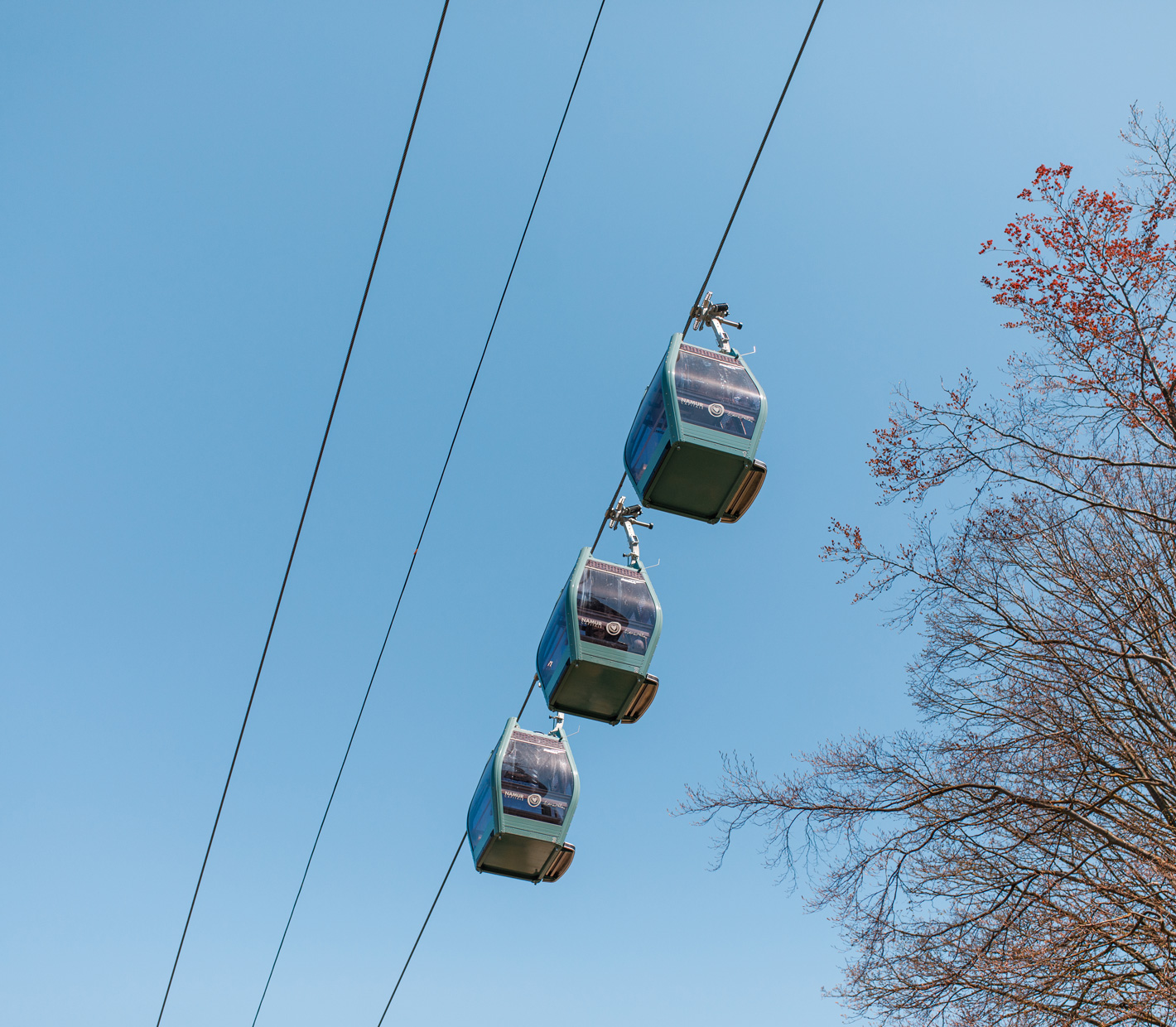
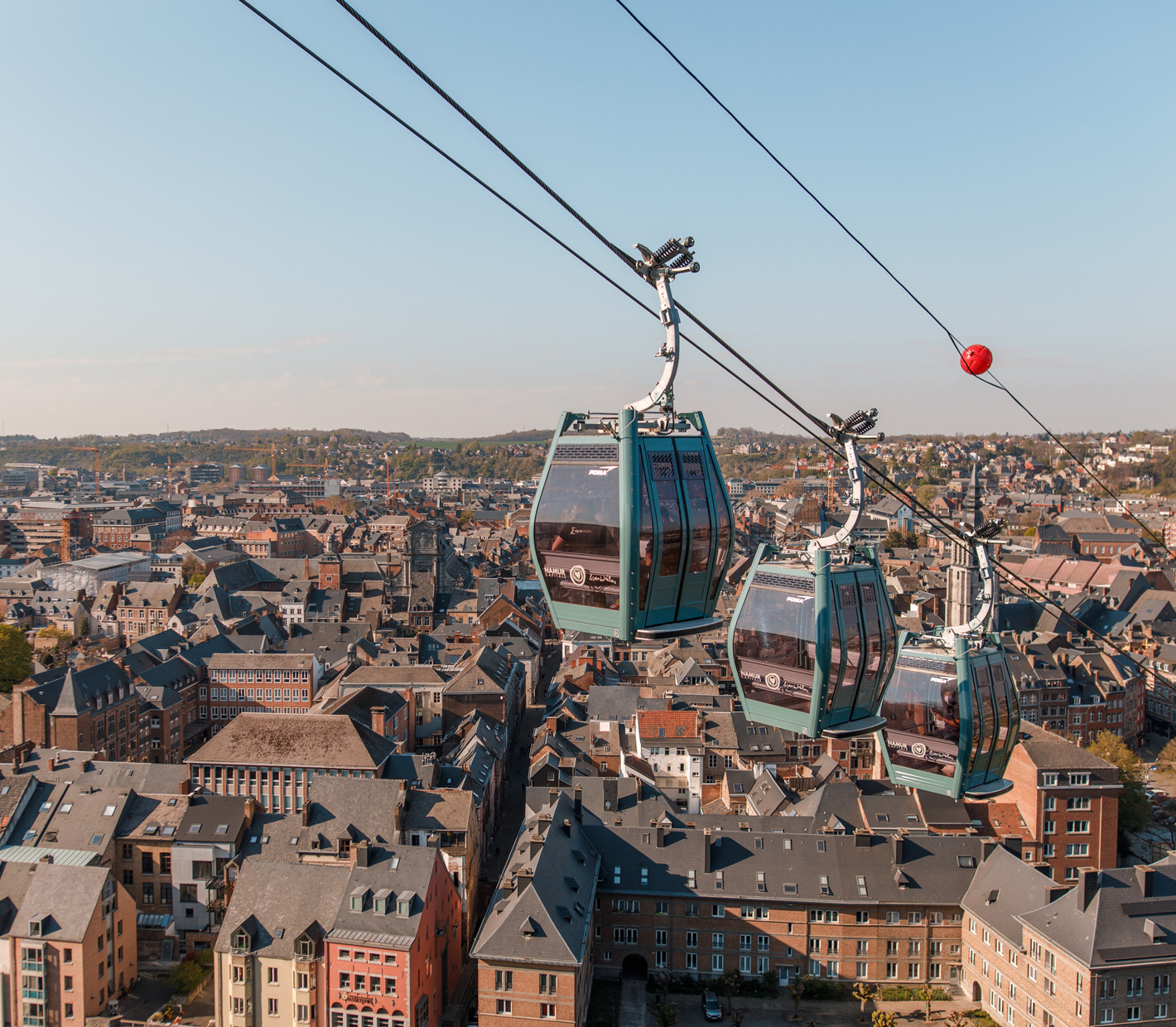
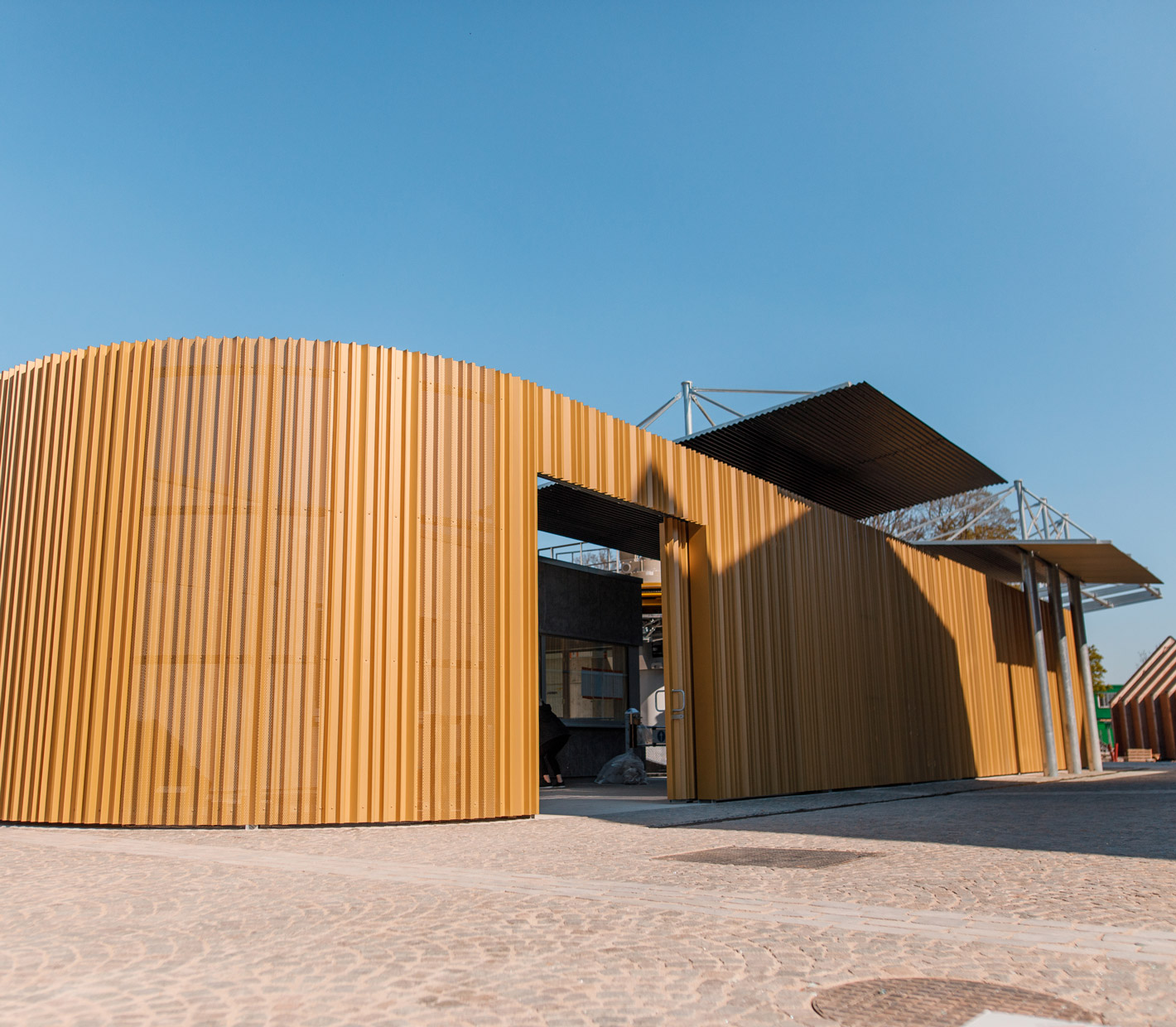
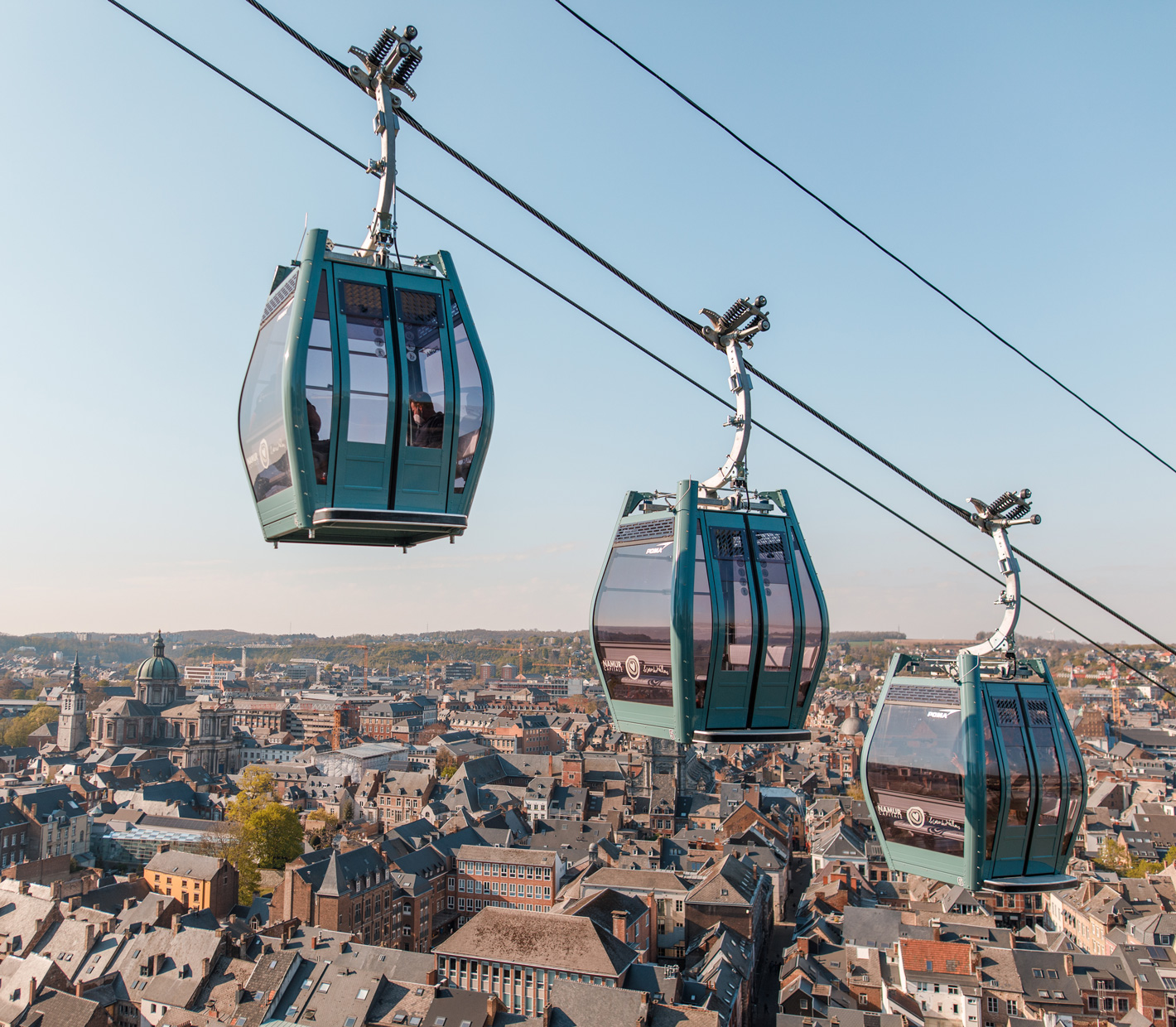
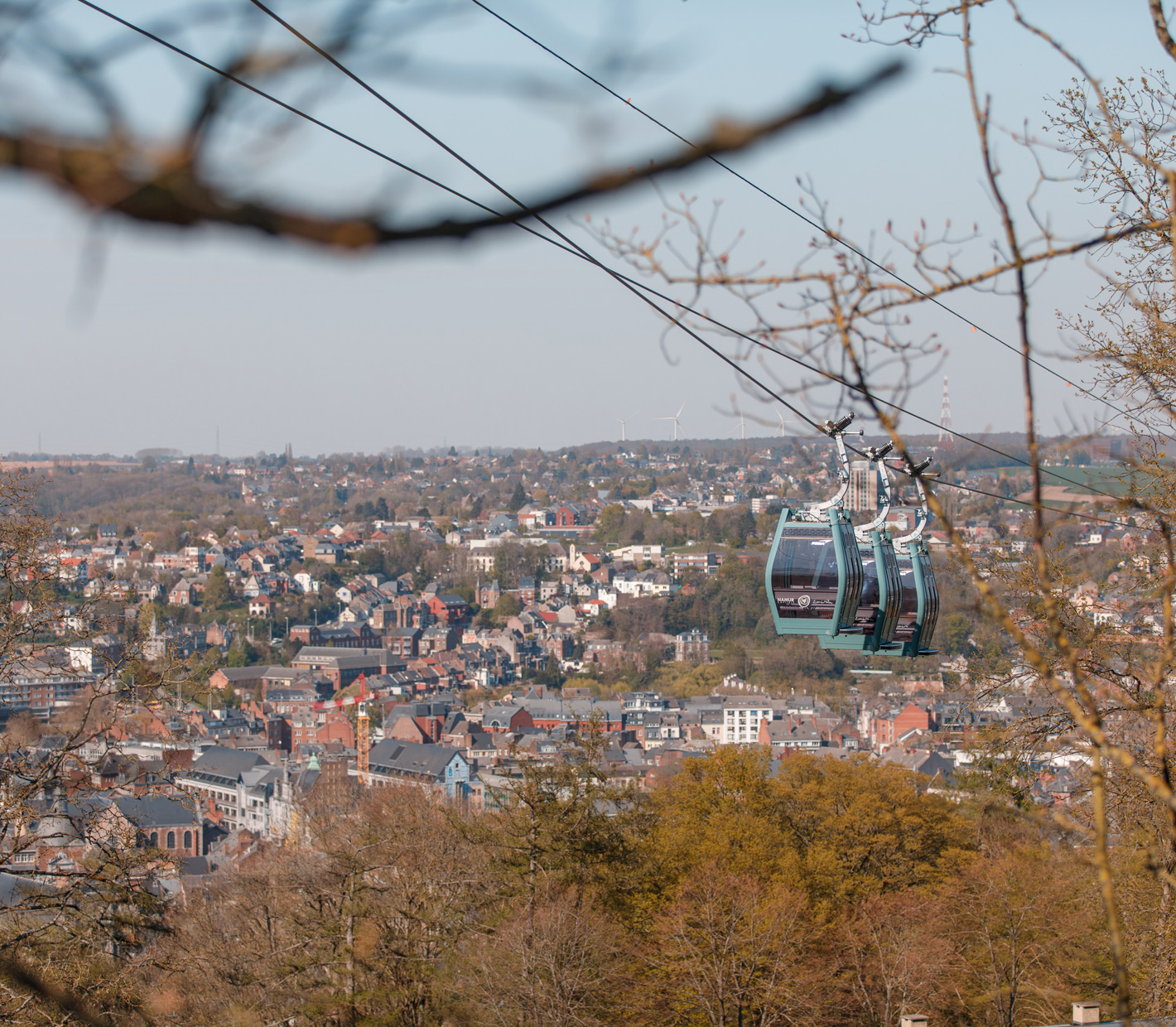
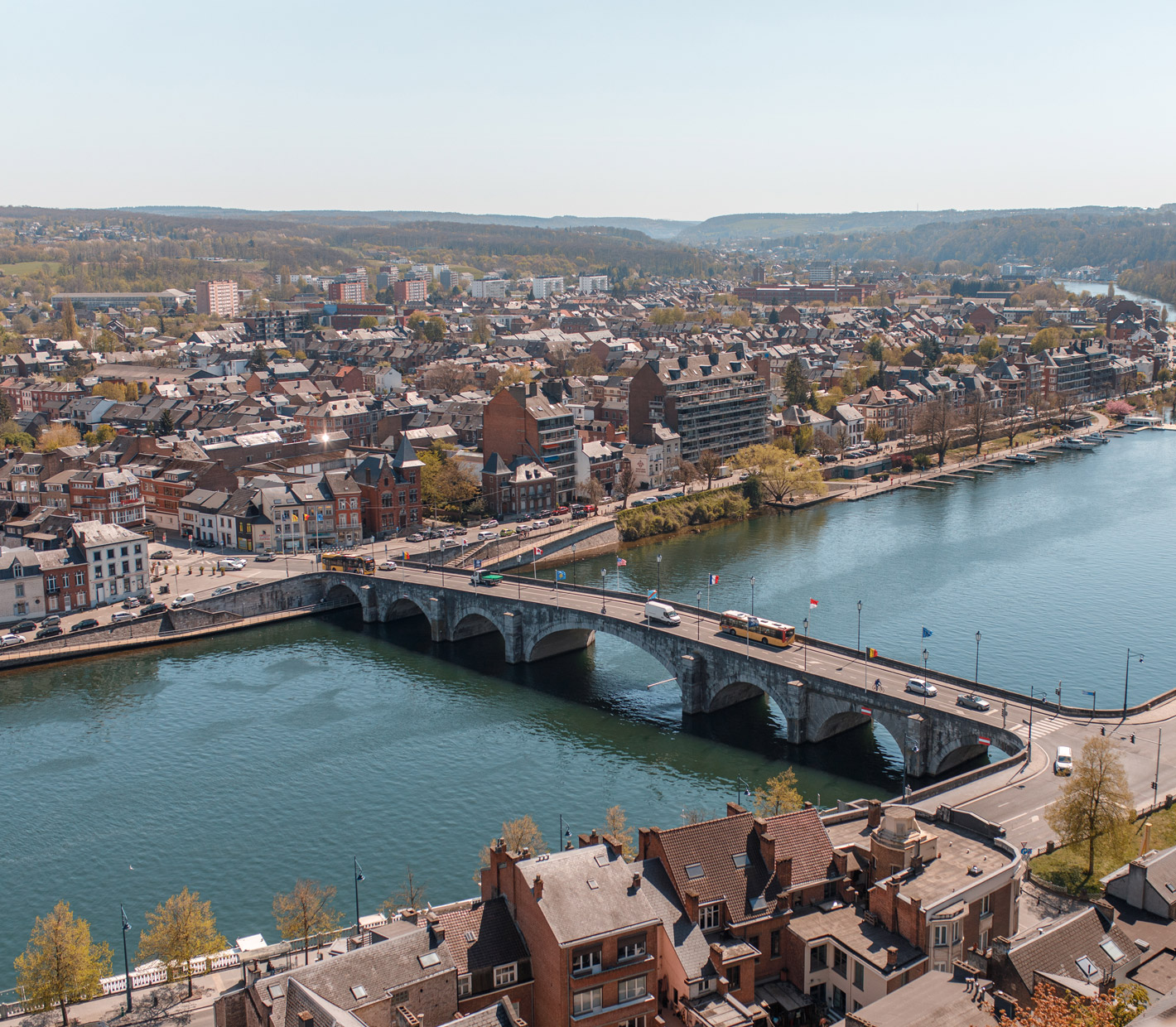
In 2017, the Namur municipal college awarded the construction of this gondola lift to the POMA, Franki and Labellemontagne consortium. POMA is responsible for the design and construction of the cable car and will support Labellemontagne for operation and maintenance.
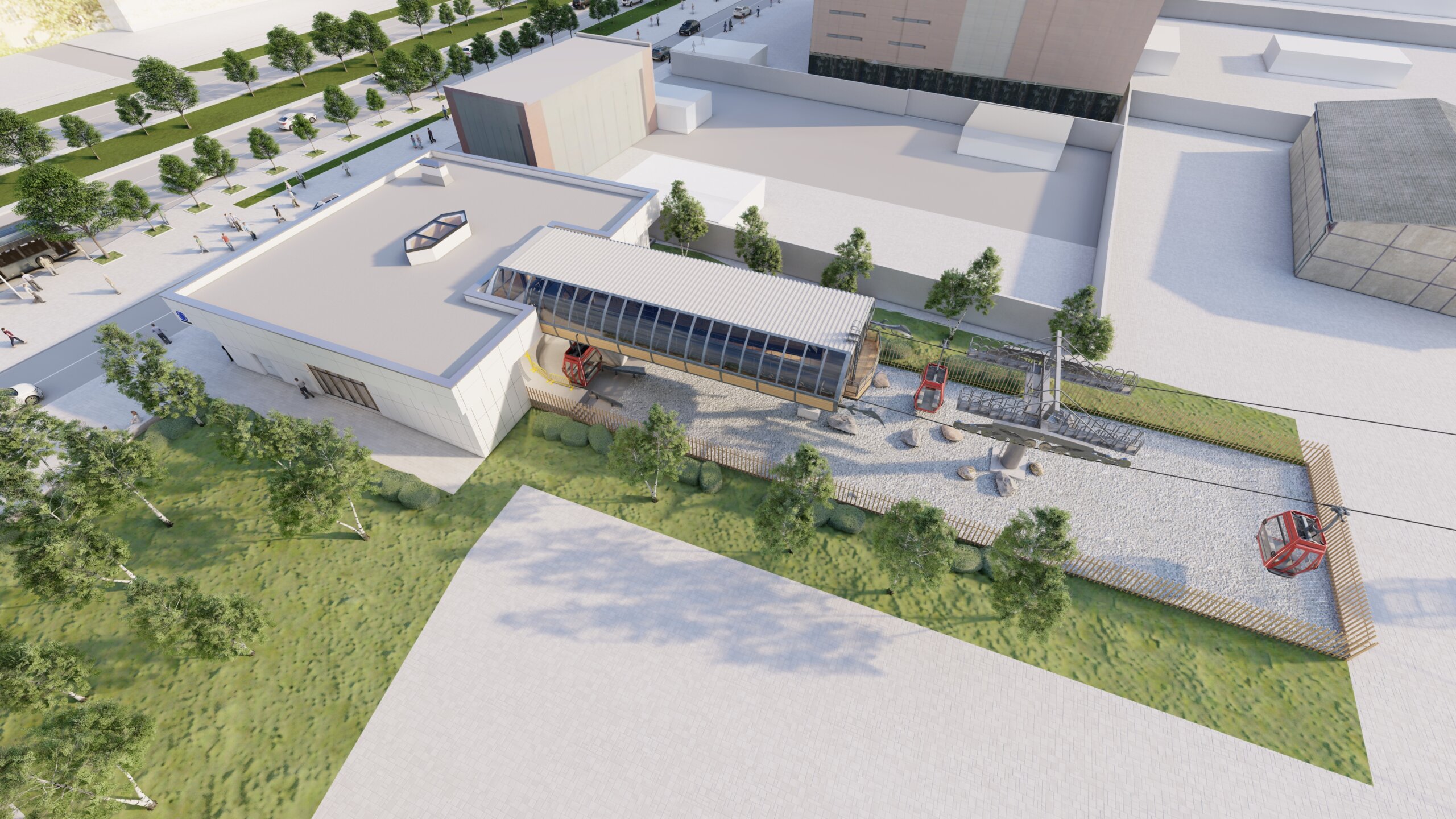
Technologically, this “cable car” is a pulsed gondola lift, with two trains of three cabins each accomodationg six passengers, which ascends in 3 minutes. This technology is particularly well suited to tourist transport with compact stations and guaranteeing optimal acoustic comfort for both users and residents.
Helicopter transport in Namur
technical specifications
of the Citadel Gondola lift
- Length : 352 m
- Difference in elevation : 102 m
- Number of stations : 2
- Speed : 6 m/s
- Capacity : 290 – 408 pph
- Number of carriers : 2 trains x 3 cabins
- Number of vehicules : 6
- Number of passenger per vehicules : 6
- Total travel time : 3’30 min
+ news
Téléphérique Angelo
Le téléphérique Angelo, inauguré à Ajaccio en Corse le 18 octobre 2025, renforce l’offre de transport urbain de la ville. Il relie plusieurs quartiers en 12 minutes de manière écologique et en assurant l’intermodalité avec les autres modes de transports. Conçu et exploité par POMA, il améliore la mobilité, réduit la congestion et symbolise un lien durable entre les habitants et les territoires.
Learn morePOMA and TISSEO inaugurate the longest urban cable car in Europe in Toulouse
The longest urban cable car in France and Europe, Téleo, has been inaugurated in Toulouse. Fast and eco-responsible, the aerial line covers 3 kilometers in about ten minutes and serves one of the city’s major activity areas, perfectly interconnected with its transportation network.
Learn morePOMA and TISSEO unveil the cabin of Toulouse’s future urban aerial tramway
In Toulouse, on 28 May 2021, in the presence of mayor Jean-Luc Moudenc, Tisséo unveiled the cabin of Téléo, Toulouse’s future urban aerial tramway. Over the next few weeks, Sigma’s 34-seat Symphony cabin will be on display in the famous Place du Capitole.
Learn moreThe construction of la Reunion’s first urban cable car progresses
In Saint-Denis de la Réunion, the outlines of the urban cable car take shape. Within one year, the stations and the lines have almost been completed! The commissioning should be by the end of 2021.
Learn morePOMA will implement the 1st urban ropeways of Mongolia
POMA has been tasked with a cable transportation project for the city of Ulaanbaatar, the capital of Mongolia. POMA will implement the first urban ropeways in Ulaanbaatar.
Learn more
the “Ain Dubai” capsules are installed
Barely 2 years after the launch of the project, POMA has finalized the installation of 48 non-standard capsules on Bluewaters Island, in Dubai (United Arab Emirates).
2 days in pictures
Testimony
Vincent Vanneyre
This event was the perfect opportunity to get involved in a cause that I support, to meet one of my friends there and share his passion together with some other POMA co-workers.
The program lived up to the memories that I have, and which constantly gives me the desire to continue to invest myself: sharing moments of life and hint of happiness where everyone contributes in his own way.
An experience not to be missed under any circumstances, where people, disabilities and nationalities mingle indiscriminately!
Ingénieur maintenance, POMA
read +
The POMA Group: a look back at the Glisse en Coeur event!
Dans la lignée de nos engagements solidaires, et en faveur d’une montagne unie et dynamique, POMA et la Fondation POMA sont fiers d’être de nouveau partenaires de l’évènement Glisse en Coeur.
Learn morePOMA STRENGTHENS ITS INDUSTRIAL ORGANIZATION
The merger of POMA with its long-standing subsidiaries POMA Savoie and POMA Mont-Blanc, effective February 1, 2026, marks a turning point in the group’s industrial strategy. POMA, the global leader in cable transport, is gradually reintegrating its production activities within a unified legal structure to improve operational consistency, organizational clarity, and the attractiveness of industrial professions.
Learn moreEUROPEAN MOBILITY EXPO
Le Salon Européen de la mobilité, le EuMo Expo 2022 se tiendra du 7 au 9 juin à Paris-Expo Porte de Versailles, Paris. Tous les deux ans, le EuMo Expo, rassemble plus de 250 exposants français et internationaux, tous acteurs du transport public et de la mobilité durable.
Learn more12ème COLLOQUE NATIONAL EOLIEN
The National Wind Energy Conference will be held for the 12th time this year. From 12 to 13 October at Parc Floral de Paris, various wind energy experts, scientists, associations and companies come together to talk about new and already realized projects in the sense of the energy transition in France.,
Learn more
splicing?
If vehicles and pylons are inseparable from cable transport, cable is a noble part of our business.
But have you ever wondered how the cable loop is made? The answer is in the splicing, a delicate and essential technical operation.
Discover step by step the expertise necessary for its realization.
It all starts with the rope
Before defining a splice, we must first understand what a ropeway is.
The cable

Diagram of a cable
After patenting (heat treatment by heating and then cooling), pickling and drawing, the wire rod is ready to be stranded.
The strand is the simplest rope assembly: several helical wires are twisted regularly relative to each other in one or more superimposed layers around the strand core, also called the “strand lay length”.

A ropeway is made up of several strands, also wound in a helix around a central core serving as support.
First definition
Splicing is the joining of two rope ends to create an endless loop. Its solidity and service life must be similar to ropes made in the factory by extremely precise machines. The definition seems quite simple, but the operation is trickier than it seems. Splicing is considered an art that requires great technical skills, a high level of expertise and a large workforce.
As it is carried out entirely manually, splicing requires rigour and know-how so that the rope connection point is invisible. At this attachment point, the rope must not exceed its nominal diameter by more than 10%.

Splicing requires a large workforce
Grips on fixed systems (chairlifts, roller surface lifts, etc.) can be positioned in the splice area; grips on detachable systems (detachable chairlifts, gondola lifts, surface lifts, transportation of materials) can be coupled in the splice area. In detachable surface lifts, the splice must also pass through the bushings of the grips stored in the drive station.
These are the reasons why the rope in the splice area must meet strict requirements in terms of minimum and maximum diameter, in addition to the criteria of strength and service life.
It is interesting to note that, on older Poma gondola lifts, a radioactive pellet was inserted into the rope in the splice area. Carriers were not coupled in this area.
With the increase in transport capacities, in addition to the problem caused by the insertion of a (weakly) radioactive element into the rope, this solution has become obsolete.
To do this, technicians called “splicers” use needles, or splicers, as well as specific tools for “knitting” between the strands. The proficiency of the splicer is decisive during the critical phases of “marrying” the rope ends and making the knots, during which he or she is assisted by several experienced operators.

Splicing is not restricted to ropeway transport. But in this context, it is done either for installing a new rope loop on which the carriers of a new system will travel, or for changing a rope or shortening it when it has become elongated in an existing installation.
Note that for shortening ropes, the method used is different from splicing. However, the general principles are the same.
what are the main steps?
The methods differ depending on the rope diameter and construction: ropes with 6 strands (most frequently used), 7 or 8 strands (only a few installations to date, with respect to the number of ropes in service). However, the basic principles and the main steps remain the same.
Step 1: Completely unwinding the rope to make the splice
The rope is transported to the site on huge spools weighing several tonnes. The rope is unwound along the line between the departure station and the arrival station to form a loop on the ground. The two open rope ends are placed side by side to start “marrying” them.

Step 2: Marrying the strands
The operators unlay the strands of the rope, and the two rope ends are then married.
This step is very important because we must not be able to see or feel a difference in diameter between the marriage point and the solid rope excluding the splice for the reasons mentioned above.
To achieve this, the technicians take a rope strand that comes from one end of the rope and replace it with the rope strand that comes from the other end.
There are different marrying techniques depending on the manufacturer, types of ropes and use cases.
The two photos show an alternate marrying technique when starting to interlace the two ropes ends.
There are other techniques, one of which is frequently used for 6-strand ropes: the 3×3 marriage (at the point where the two ends start to be interlaced) then alternated during the following phases as shown below:
There is now only one rope, but the strands still need to be spread out in the splice.
The splicer, supported by the many technicians who assist him or her, spreads out the strands to their final location according to the desired geometry and numbering of the splice knots..
The numbering often adopted for a 6-strand rope is 1.5.3.6.2.4 in the direction of rope movement.

During this operation, the splicer must ensure that the strands are married correctly by using mallets, to maintain a precision equivalent to that achieved by the machines when the rope was originally manufactured.

Step 3: Making the knots
This step consists of removing the plastic core that is inside the rope and then inserting the two strands that will form the knot inside the rope.
This phase is the trickiest: it is at this point that the splicer’s know-how and proficiency will be critical.
The strands must first be straightened to avoid any deformation as they will be inserted inside the rope to replace the core.

At the location of the future knot are the two strands that will form the knot.
The splicer then inserts the first strand into the rope, then the second strand to shape the knot using the splicers.

At the time of Jean Pomagalski, the parallel knot was promoted and defended by POMA. This knot required a little less technical skill and know-how than the cross knot, which is now predominantly used in ropeway transport. However, parallel knots are still found occasionally (old installations, other manufacturers, specific case with cross-lay). The reason is that this type of knot ensures better interlocking of the two strands forming the knot in ropeways with tensions that keep increasing over time (increase in capacities, therefore in the suspended weight and space between towers). At present, the parallel knot is mainly found on surface lifts for which the station staff still make some splices.
The core is removed and fitted to the ends of the retracted strands.
Step 4 : Tensioning the rope
Once the splicing is completed, the two ropes become one.

The tension take up is released.

The splicer then checks the correct geometry of the rope as well as its compliance with the minimum and maximum diameters.
The rope is positioned on the rollers of the roller batteries.
The rope loop is set in motion.
The unwinding and splicing operations stress the rope (handling, twisting, etc.).
This is why the rope must be detensioned. This involves running the bare rope (i.e. without a carrier) at nominal speed for a pre-set number of hours.
In addition, an authorised body also performs an inspection in particular through the magnetography of the rope to detect faults such as rope breakages (internal that are not visible on the outside)
This inspection will determine whether the splice and the entire rope loop is compliant before allowing the safe operation of the installation.
of splicing
The unwinding and splicing operations stress the rope (handling, twisting, etc.).
This is why the rope must be detensioned. This involves running the bare rope (i.e. without a carrier) at nominal speed for 10 to 25 hours before starting up the system.
Images sources :
• Val Thorens, coulisses epissures
• epissure racourcissement du câble de l’Aiguille du midi
• Epissure câble télésiège St François Longchamp
• Epissure câble télécabine de val cenis 2018
Read more
Téléphérique Angelo
Le téléphérique Angelo, inauguré à Ajaccio en Corse le 18 octobre 2025, renforce l’offre de transport urbain de la ville. Il relie plusieurs quartiers en 12 minutes de manière écologique et en assurant l’intermodalité avec les autres modes de transports. Conçu et exploité par POMA, il améliore la mobilité, réduit la congestion et symbolise un lien durable entre les habitants et les territoires.
Learn moreDiscover the POMA valley lifts
Depuis quelques années, les stations repensent leurs accès depuis la vallée ; une réflexion portée sur plus de durabilité, de confort et de respect de l’environnement. Les ascenseurs valléens représentent une réponse concrète à ces enjeux
Learn moreLive the experience with Premium Solutions
Design, Personalization, Comfort, Exclusive Signature, live the PREMIUM experience with POMA’s innovative vehicules.
Learn more
splicing?
If vehicles and pylons are inseparable from cable transport, cable is a noble part of our business.
But have you ever wondered how the cable loop is made? The answer is in the splicing, a delicate and essential technical operation.
Discover step by step the expertise necessary for its realization.
in pictures
BOURG-SAINT-MAURICE
The municipality invested in the renovation of its emblematic funicular railway. The “Arcs Express” offers a direct link between Les Arcs and the railway network in just 7 minutes, 7 days a week.
The new trainsets which have a glass roof and which,thanks to the driver’s station moved to the center of the cabin, offers new panoramic spaces at the front and at the rear for an exceptional view of the valley. 100% electric, for an eco-responsible approach, the municipality of Bourg Saint Maurice also wished to pay particular attention to the integration of the funicular into its environment through an elegant design and careful LED lighting.
in motion
L'ALPE D'HUEZ
The Alpe Express already connects the centre of the resort to the ski front, and soon phase 2 of the project will connect the village of Huez. The gondola lift is a zero-particle mode of transport that effectively replaces the traffic handled by numerous road shuttle services previously.
The lift is equipped with the DirectDrive® solution and the Cable Position System, an on-board safety device. This unique mode of transport will be the first peri-urban system to operate without an agent in France.
in motion
IN GEORGIA
A valley lift now connects the resort of Gudauri to the town of Kobi. This infrastructure will also make some snowy areas more accessible, areas that sometimes could not even be reached in June!
In motion
LES MENUIRES
For a quick journey to the heart of the three valleys, the 2001 POMA gondola lift connecting Saint-Martin-de-Belleville with the Les Ménuires resort was renovated.
First in terms of its electrics, with the latest advances from SEMER, but also more noticeably for users, since the number of gondolas increased from 48 to 64, for more space and added comfort. Capacity has increased to 2,400 p/h.
Saint-Martin de Belleville
IN CHINA
The city of Lianshi, in Guizhou province, wanted to move towards mountain tourism. This is how Meihuashan International Ski Resort was born on the heights of the city, around a 4-season offer, combining winter sports, with the creation of a ski resort, and outdoor sports activities.
POMA then accompanied the economic metamorphosis of Lianshi with the construction of two “Meihuashan Lift” gondolas of nearly 10km which now provide the link between the former mining town and the mountain carrying 1,500 passengers per hour. At the intermediate station, visitors can enjoy the panoramic restaurant, located a stone’s throw from the new cable car.
The second section then takes them to the ski area, hotels and small shops in the resort. New leisure activities within reach of the city, in just a few minutes.
in motion
COURCHEVEL
Like the Grangettes gondola lift, the new Le Praz gondola lift and its 47 EVO gondolas featuring LED lighting and equipped with solar panels will link the village of Le Praz, where a car park was recently added, and the centre of Courchevel year-round.
During the world championships, which Courchevel will host in 2023, this ropeway will carry the crowds directly to the foot of the snowshoe trail and will be the main gondola lift during the competition.
en images
PEYRAGUDES
A new gondola lift now connects the village of Loudenvielle to the resort of Peyragudes in less than 9 minutes.
The Skyvall gondola lift is the central feature of a new comprehensive range of tourist activities, in which skiing, hiking, mountain biking and wellness can be combined according to the season, with the appropriate equipment. Another major advantage of this valley lift is that it should reduce car traffic and thus significantly decrease CO2 emissions in the valley.
en images
You should be interested by
Chenus Courchevel: the first LIFE gondola lift opens a new era
The Chenus gondola lift is now officially open, marking a turning point for ropeway transport. Quieter, more wind-resistant and equipped with spacious 10-passenger EVO cabins, it guarantees optimal comfort for skiers in winter and visitors in summer.
Learn moreTéléphérique Angelo
Le téléphérique Angelo, inauguré à Ajaccio en Corse le 18 octobre 2025, renforce l’offre de transport urbain de la ville. Il relie plusieurs quartiers en 12 minutes de manière écologique et en assurant l’intermodalité avec les autres modes de transports. Conçu et exploité par POMA, il améliore la mobilité, réduit la congestion et symbolise un lien durable entre les habitants et les territoires.
Learn moreSantiago de los Caballeros inaugurates its firts aerial tramway
A second urban cable car line has been inaugurated in Santo Domingo. The 4-kilometre cable car line connects the city centre and the western outskirts of the capital with the city’s transport network. For the first time in the world, a cable car line is operating at a speed of 7m/s in an urban environment !
Learn moreIn Santo Domingo capital, inauguration of the POMA’s 2nd urban cable car line
A second urban cable car line has been inaugurated in Santo Domingo. The 4-kilometre cable car line connects the city centre and the western outskirts of the capital with the city’s transport network. For the first time in the world, a cable car line is operating at a speed of 7m/s in an urban environment !
Learn moreThe 6th Metrocable line in Medellin
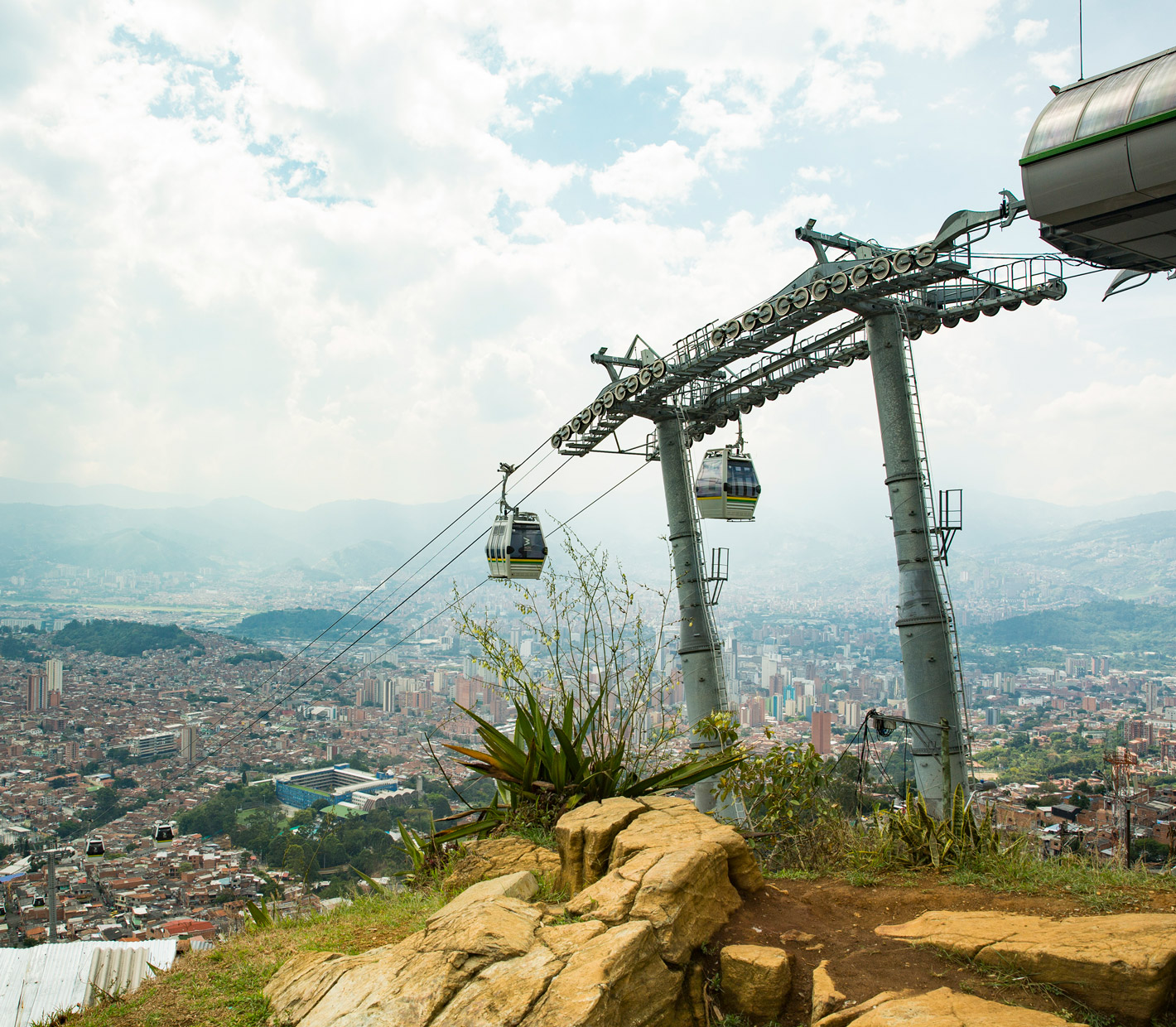
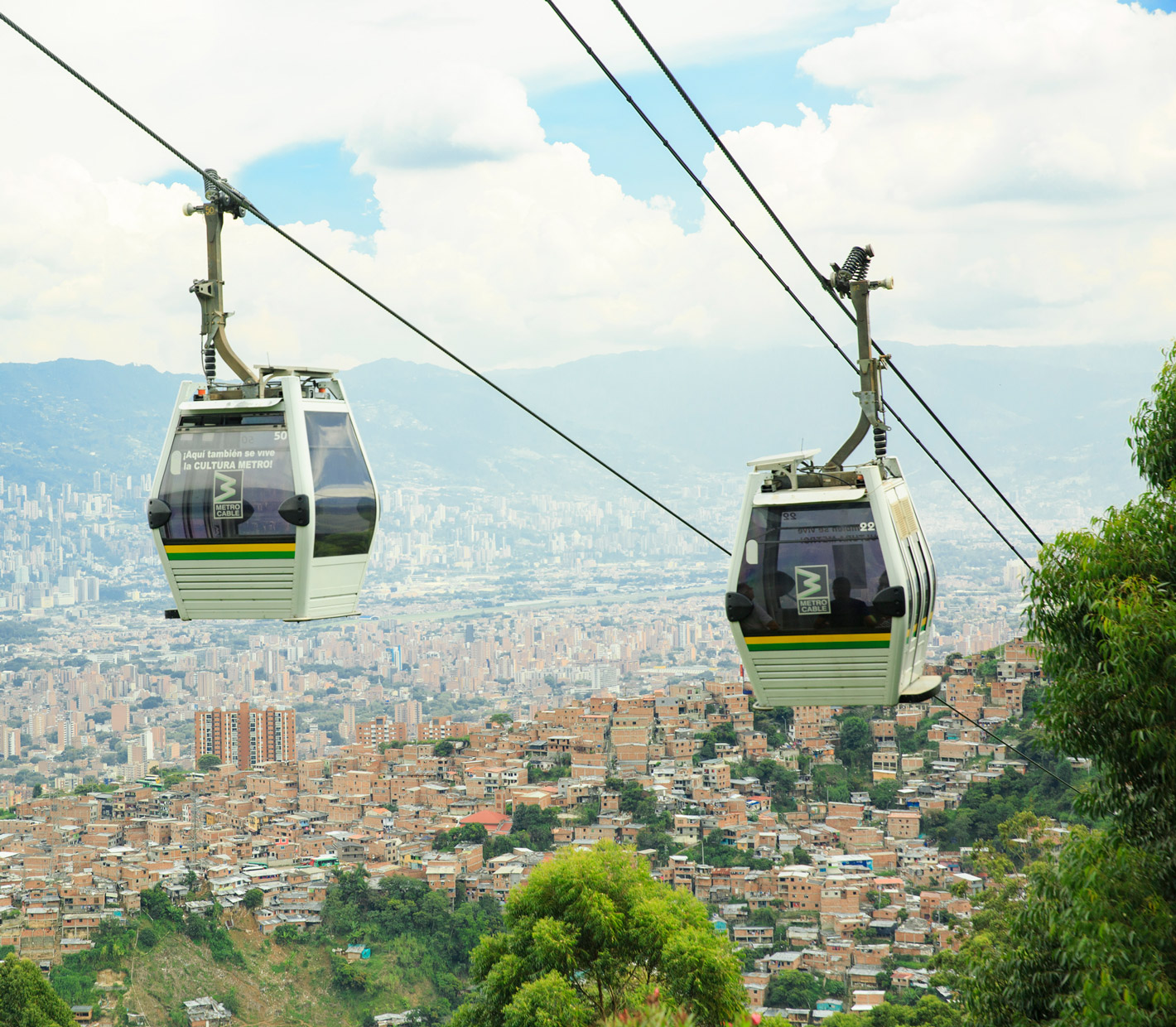
The Medellín Metrocable opened its 6th gondola lift line, “Line P”, on 10 June 2021, pursuing the development of this sustainable public transport network, which has been a global model for the past 15 years. The pioneering city of Medellín set the standard for a new model of urban mobility by integrating a gondola lift into its public transport network in 2004: a world first which became an international benchmark with 5 lines in operation, able to accommodate nearly 220,000 passengers per day over 14 kilometres of lines.
Learn more